

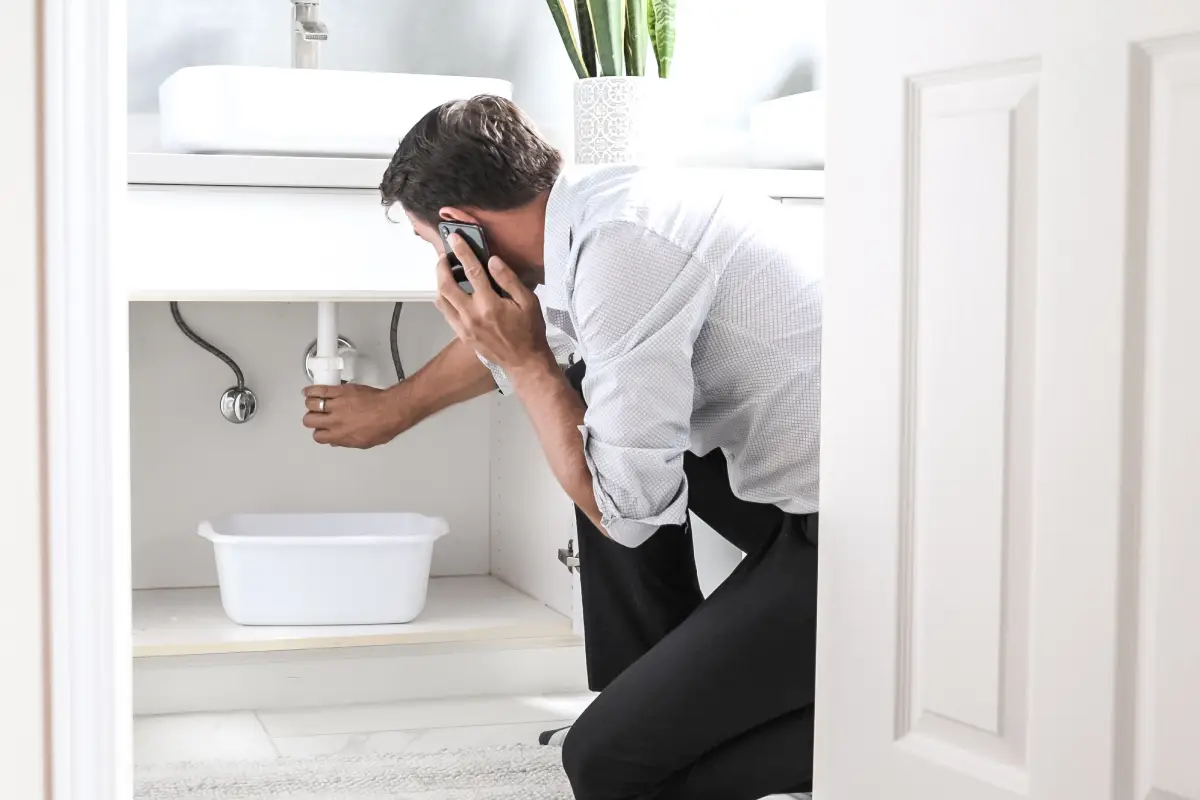
Small maintenance issues tend to blend into the background until they start repeating. Using a system that tracks requests, like tools tied to leasing behavior insights, makes it easier to spot when something keeps coming back. A drain slows again, the same breaker trips, or the HVAC struggles shortly after being serviced.
At first, these seem like everyday concerns. Over time, repetition changes that perspective. When the same issue returns, it often reflects something deeper. For Nashville rentals, where seasonal changes and steady tenant demand can place pressure on systems, these recurring problems can quietly affect costs, tenant satisfaction, and long-term returns.
Key Takeaways
- Repeating repairs often point to deeper system inefficiencies rather than isolated issues
- Ongoing service calls increase overall maintenance expenses over time
- Delayed upgrades can lead to frequent breakdowns and reduced performance
- Reliable repairs improve tenant satisfaction and lease stability
- Tracking maintenance patterns supports better long-term decisions
Recurring Issues Often Point to Larger Problems
When a repair shows up more than once, it usually means something wasn’t fully addressed the first time. This section explains why patterns matter and how they connect to property performance.
Looking at a single repair ticket rarely tells the full story. When issues repeat, it becomes important to step back and evaluate the bigger picture.
What These Patterns Can Reveal
Recurring maintenance problems often highlight deeper concerns within a property. Plumbing issues may suggest buildup or worn pipes. Electrical disruptions could indicate outdated systems. HVAC complaints might point to aging equipment or improper sizing.
Instead of treating each issue separately, comparing repair timelines and locations helps uncover the root cause. This approach supports better decision-making and prevents repeated disruptions.
Warning Signs Worth Noticing
- The same issue appears multiple times within a short period
- Repairs seem to fix the problem only temporarily
- Different tenants report similar concerns
When these patterns emerge, it signals the need for a more thorough solution.
Repeated Repairs Can Quietly Drain Your Budget
Recurring maintenance may seem minor at first, but costs add up quickly when the same issue requires multiple visits. This section highlights how expenses grow over time.
Each service call includes labor, materials, and coordination. When repeated visits are needed, those costs multiply and affect your overall budget.
Housing data shows that average monthly expenses reached $2,035 in 2024, reflecting the broader financial pressure property owners face nationwide.
Why Quick Fixes Do Not Always Work
Temporary repairs often address symptoms rather than the underlying issue. This leads to repeated service calls and ongoing expenses without long-term improvement.
Choosing a more strategic approach helps determine whether a repair truly resolves the issue or simply delays its return.
Long-Term Cost Considerations
Repeated repairs can exceed the cost of a permanent solution. Evaluating long-term options, including upgrades and system replacements, can stabilize expenses.
Many owners begin shifting toward a more consistent strategy, similar to approaches that support a stable rental cycle, to reduce unnecessary spending and improve efficiency.
Delaying Upgrades Can Create Ongoing Problems
Holding off on upgrades might seem practical in the short term, but it often leads to higher costs and continued inefficiencies. This section explains why timing matters.
Older systems tend to require more maintenance and operate less efficiently. Over time, this creates a cycle where repairs continue without improving performance.
Signs It May Be Time to Upgrade
- A system requires frequent repairs throughout the year
- Maintenance costs continue rising without better results
- Tenants report ongoing comfort or usability concerns
- Utility usage appears higher than expected
These indicators suggest that upgrading may be more cost-effective than continuing repairs.
Evaluating the Right Time to Act
Tools like a rental performance analysis can provide insights into how your property is performing and where improvements are needed. A property ROI tool also helps connect maintenance decisions to long-term financial outcomes.
Making informed choices ensures your property remains efficient and competitive.
Tenant Satisfaction Relies on Lasting Solutions
Maintenance quality plays a major role in how tenants view a property. This section focuses on how recurring issues affect tenant experience.
Tenants expect problems to stay fixed once addressed. When issues keep returning, it can create frustration and reduce confidence in the property.
How Repeated Issues Affect Tenants
Recurring maintenance disrupts daily routines and creates uncertainty. Even prompt responses lose impact if the same problem keeps resurfacing.
Providing reliable solutions helps maintain trust and improve tenant relationships over time.
Indicators of Declining Satisfaction
- Repeated complaints about the same issue
- Frustration during communication
- Hesitation when discussing lease renewals
Addressing these concerns early helps maintain strong tenant retention.
Turnover Risks Increase When Issues Persist
Unresolved maintenance problems can influence tenants to leave, which increases costs and reduces profitability. This section explains the connection between repairs and retention.
Frequent disruptions, even minor ones, can shape a tenant’s decision to move out. Comfort and reliability matter just as much as pricing.
The Financial Impact of Turnover
Tenant turnover introduces costs such as vacancy periods, marketing, and leasing efforts. It also increases wear on the property from repeated move-ins and move-outs.
Nationwide repair expenses have reached $198.4 billion in a single year, showing how unresolved issues contribute to rising costs across the housing market.
Improving Long-Term Stability
Owners can improve retention by focusing on consistent maintenance and proactive planning. Strategies similar to those used in long-term housing stability help create a more reliable rental experience.
For larger improvements or renovations, structured planning through project management services ensures upgrades are handled efficiently.
Breaking the Cycle Before It Continues
Stopping recurring repairs starts with recognizing patterns early and responding with long-term solutions. This section focuses on prevention.
A proactive approach involves tracking maintenance history, identifying recurring issues, and choosing solutions that improve reliability instead of repeating temporary fixes.
Practical Steps to Prevent Repeat Issues
- Document all maintenance requests consistently
- Review recurring problems to identify root causes
- Replace aging systems when needed
- Work with experienced professionals for lasting repairs
Consistency in maintenance planning leads to better outcomes and fewer repeated issues.
FAQs about Recurring Repairs and Rental Property Efficiency in Nashville, TN
How can I tell if a repair issue is recurring or just occasional?
If the same problem appears multiple times within a short timeframe or across different tenants, it usually indicates a deeper issue rather than a one-time maintenance concern that can be resolved quickly.
Which systems are most likely to experience recurring problems?
Plumbing, HVAC, and electrical systems tend to show repeated issues when aging or underperforming, making them the most common sources of ongoing maintenance challenges in rental properties.
When should I replace a system instead of repairing it?
If repair costs continue increasing and the same issue returns frequently, replacing the system often provides a more reliable and cost-effective long-term solution for your property.
Can recurring repairs affect tenant retention?
Yes, repeated issues can frustrate tenants and reduce their confidence in the property, which may lead to lease non-renewals and higher turnover rates over time.
How can property management reduce recurring repair issues?
Professional management helps track maintenance patterns, coordinate reliable repairs, and implement long-term solutions that prevent recurring problems while improving overall property performance.
Bring Stability Back to Your Rental Operations
Recurring repairs often signal that your property needs a more thoughtful approach to maintenance. Addressing these patterns early helps reduce costs, improve tenant satisfaction, and create a more stable investment.
At PMI Highland Ridge, we focus on identifying root causes and delivering solutions that last. Our approach supports long-term efficiency and helps you avoid repeated maintenance issues that drain time and resources.
Ready to move past constant repairs? Elevate your property performance with expert care by visiting our owner solutions page.
